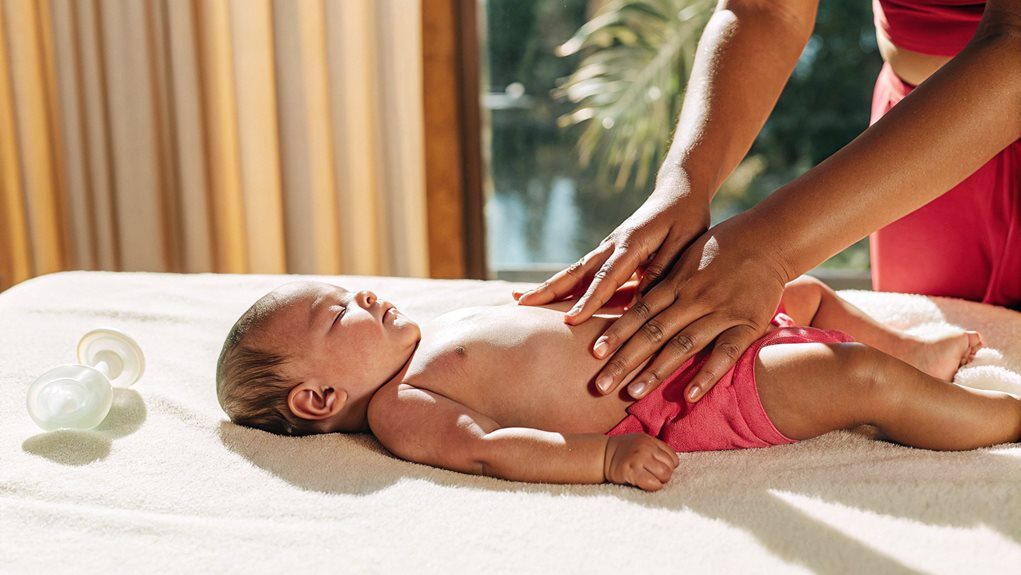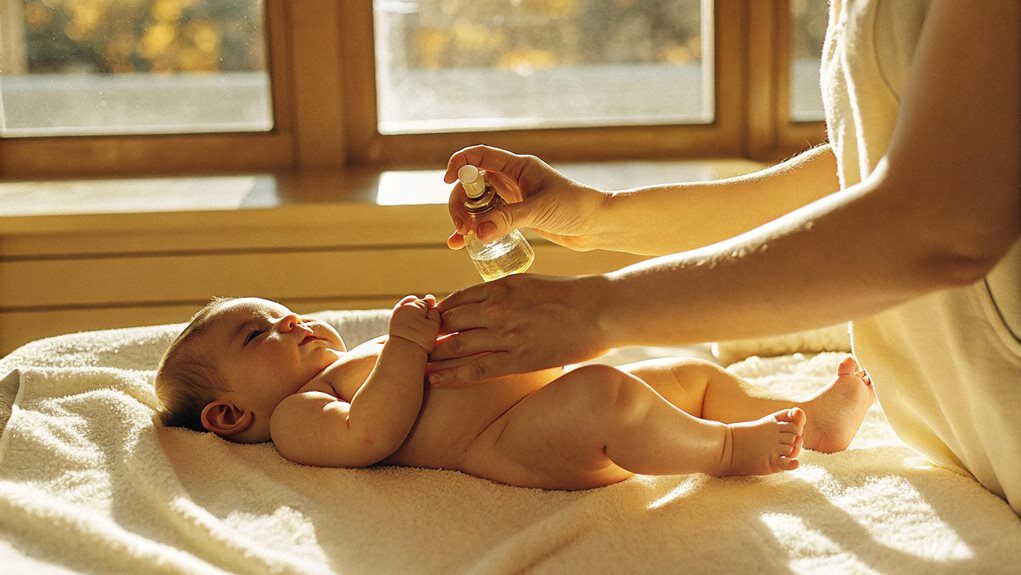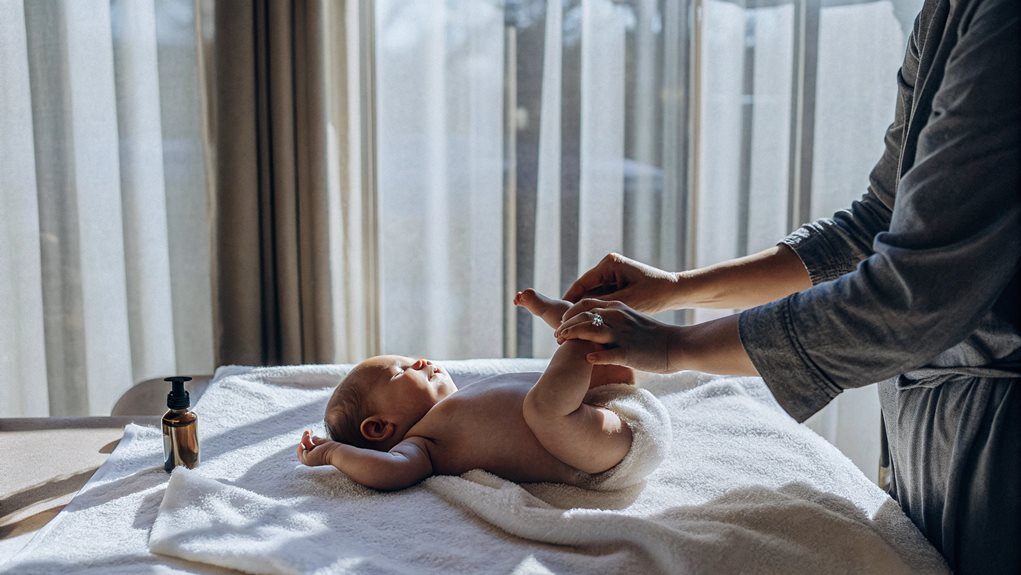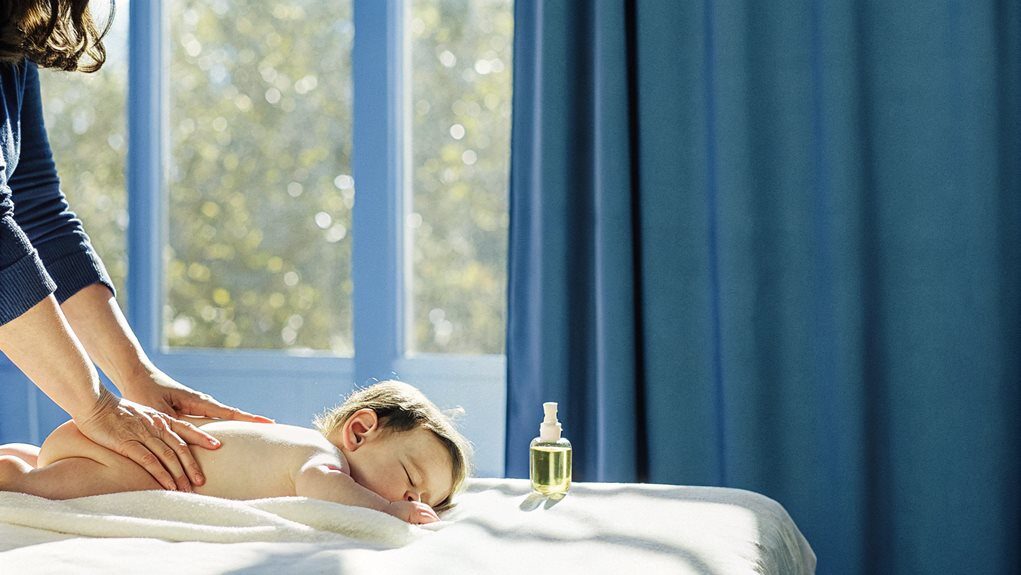
Baby massage is gentle and safe for most babies, most of the time. But there are days, and some situations, when it is better to hold off. Knowing when not to massage your baby is just as important as knowing the strokes, and it is one of the first things IAIM instructors cover in class. This guide explains the warning signs, what to do after vaccinations, how to handle colds and congestion, and when to check with your doctor first.
The golden rule: your baby decides
Before thinking about medical reasons, remember the simplest rule of all: massage only when your baby is happy to receive it. In IAIM classes, every massage begins with asking your baby’s permission. If your baby turns their head away, arches their back, stiffens, cries or seems unsettled, they are telling you “not now”. Respecting that keeps massage a positive experience and builds trust. Our article on how infant massage builds a stronger bond explains why this matters so much.
Do not massage your baby if they:
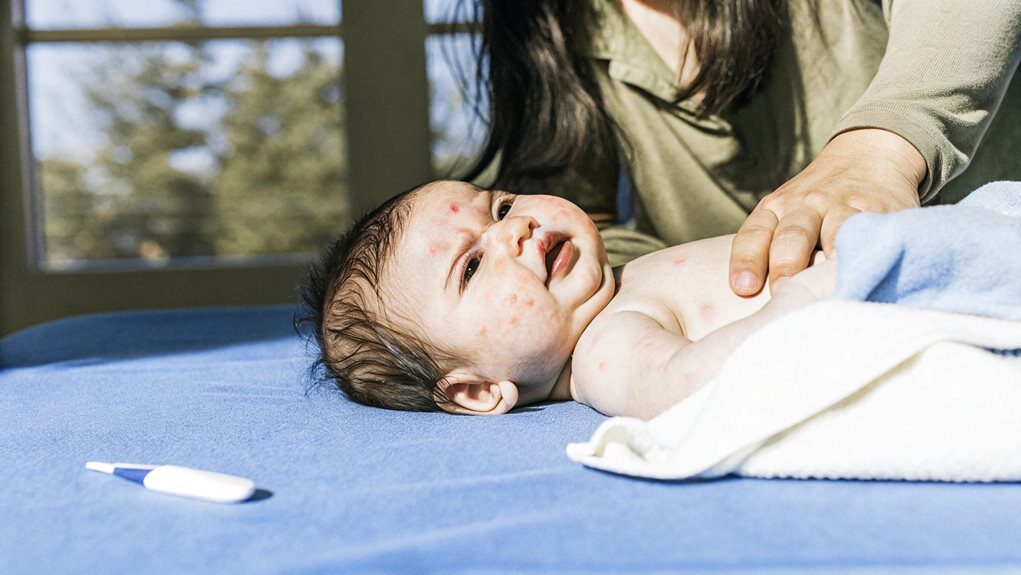
- Have a fever or seem generally unwell. A baby with a temperature needs rest, fluids and, if you are worried, a medical check, not stimulation.
- Have just been fed. Wait 30 to 45 minutes so the tummy is not full.
- Are very tired or hungry. Massage works best when your baby is calm and alert.
- Have a skin infection, rash, open wound or burn. Massage can spread infection or irritate the skin. Avoid the area completely.
- Have swelling, bruising or an injury, or seem in pain when touched.
- Have unexplained vomiting, diarrhoea or blood in the stool. These need a medical assessment first.
After vaccinations
Babies are often sore and grumpy after immunisations. Avoid massaging the injection site, and many instructors suggest waiting a few days before massaging that limb at all. Gentle cuddles and resting hands elsewhere on the body are usually welcome. If your baby develops a fever, a hot, swollen injection site or is unusually distressed, contact your clinic.
Colds and blocked noses
A mild cold without a fever is not always a reason to skip massage completely. Many babies find gentle back strokes soothing, and holding your baby upright afterwards can make breathing more comfortable. However:
- skip the massage if your baby has a fever, is struggling to breathe or is not feeding well
- keep strokes light and short, and stop if your baby becomes distressed
- never use essential oils or vapour rubs on a baby unless a doctor has advised it.
If your baby is breathing fast, the skin between the ribs is pulling in, or their lips look blue, seek medical help immediately.
Check with your doctor first if your baby:
- was born prematurely or is in a neonatal unit
- has a heart condition, a bleeding or clotting disorder, or brittle bones
- has recently had surgery, or has a cast or splint
- has hip dysplasia, or a condition affecting the joints or muscles
- has jaundice that is being treated
- has eczema or another skin condition (ask which products are safe).
Many of these babies can still enjoy adapted massage, and some benefit greatly from it. IAIM instructors are trained to adapt the routine for premature babies and children with special needs, once your healthcare provider is happy.
The umbilical cord and the soft spot
Avoid the tummy until the umbilical cord stump has fallen off and the area has fully healed. On the head, never press on the fontanelle (the soft spot). Gentle strokes on the forehead and cheeks are fine for most babies. Our newborn massage guide shows which strokes to use in the early weeks.
Safe products matter too
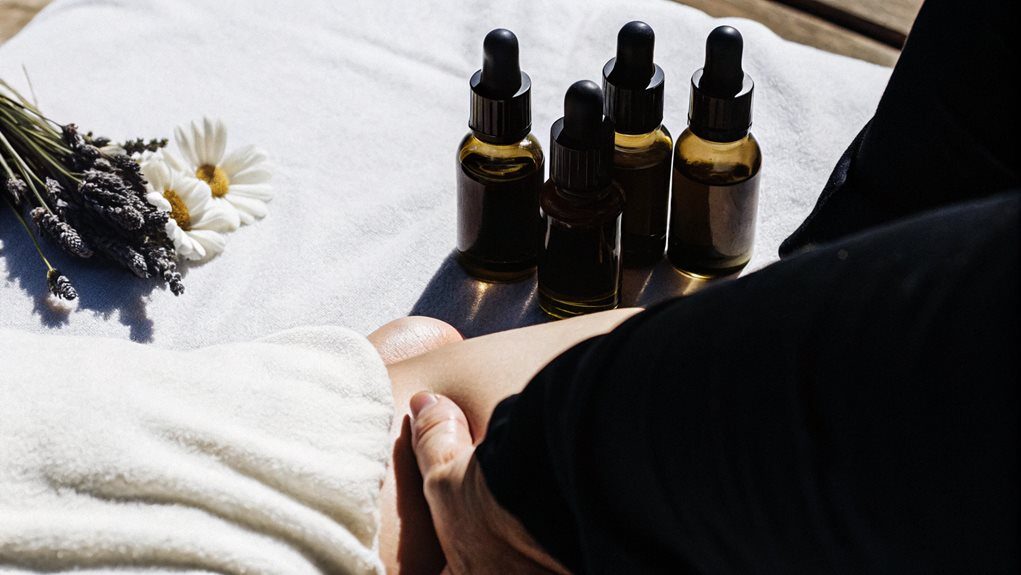
Use an unscented, cold-pressed vegetable oil, do a patch test first and stop if you notice any redness. Never use essential oils on a baby. Read more in our guide to the best oils for baby massage.
Learn to read your baby’s cues with an instructor
Knowing when to massage and when to simply hold your baby comes with practice and support. A Certified Infant Massage Instructor will help you recognise your baby’s signals and adapt massage for illness, teething or special needs. Find an IAIM instructor near you, or read our infant massage FAQs for more answers.
This article is general information and not a substitute for medical advice. If you are worried about your baby’s health, contact your doctor, clinic or, in an emergency, your nearest hospital.